Important Macrame Terms
|
| |
|
|
| |
| |
Here you will continue
to learn important Macrame terms, their definitions, and
abbreviations used in this ancient craft. Words starting
with the letters N thru Z are on this page.
See the other pages in this section to learn more about
other terms associated with this craft.
Click on the images and/or links and you will be
re-directed to other pages that apply. |
| |
| |
N
|
| |
| |
 |
|
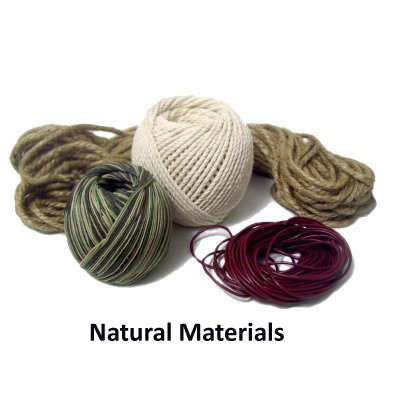
Natural: This term refers to cord materials and other items that are made from plants, wood, or other substances found in nature. Flax and Hemp are both made from plant fibers, and are very popular materials for Macrame. See Macrame Cord for more information. |
|
| |
| |
 |
|
Netting:
A pattern of knots formed with open space between the rows.
Used in hammocks, curtains, shawls, etc. This Vintage
Shawl is a good example of a net-like pattern. |
|
| |
| |
 |
|
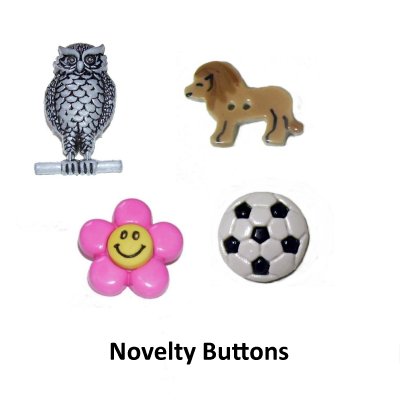
Novelty Buttons:
Fancy and uniquely shaped buttons that can be used in crafts
as well as Macramé. Can be used to embellish designs,
instead of beads. Novelty buttons come in all shapes and sizes.
See Macrame
Beads for more information. |
|
| |
 |
| |
O
|
| |
| |
 |
|
Omit: This important Macrame term means to ignore specific strands when creating a pattern of knots. For example, Alternating V Patterns can be made by omitting (not using) certain strands along the edges of the design. |
|
| |
| |
 |
|
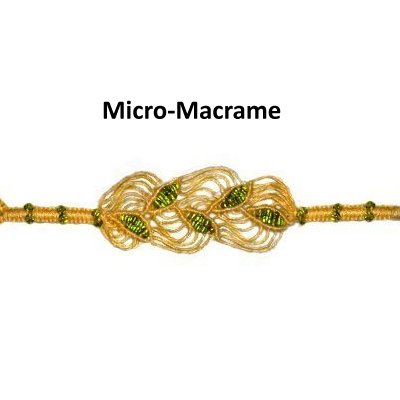
Opelon Floss Cord:
This refers to a unique type of cord
material that is strong and resembles dental floss. It has
a nice sheen, and is suitable for Micro-Macrame projects.
See Macrame
Cord for more details. |
|
| |
| |
 |
|
Open Design: This term is used to describe patterns, beads, buttons, etc. that have lots of space in their design. This Basic Bracelet for example, has plenty of space within each knot, so the details can be seen easily. |
|
| |
| |
 |
|
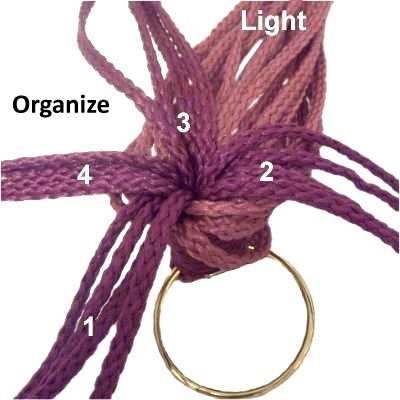
Organize: This important Macrame term is used when working with cords that are grouped together. This Lanyard Knot is made with multiple strands which need to be neatly arranged, or organized, so the completed knot looks good. |
|
| |
 |
| |
P
|
| |
| |
 |
|
Pandora Beads:
A unique type of glass bead that has a silver or gold lining
on the inside of the hole. These beads have become very popular,
particularly in Europe. For more information, see Macrame
Beads. |
|
| |
| |
 |
|
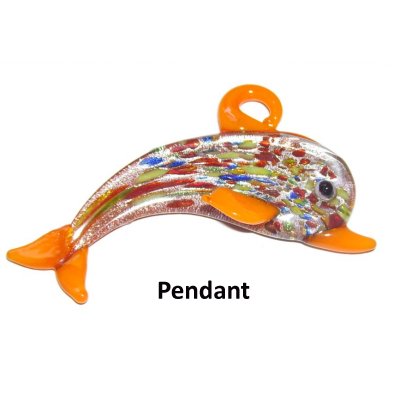
Pendant:
A medium or large size decoration that has a loop at the
top, so it dangles below a cord. There are many types of
pendants available for Macrame projects, made of metal,
glass, or other materials. Drop beads and Charms are similar.
See Macrame
Beads for more details. |
|
| |
| |
 |
|
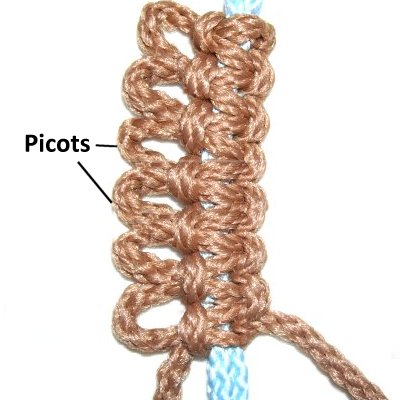
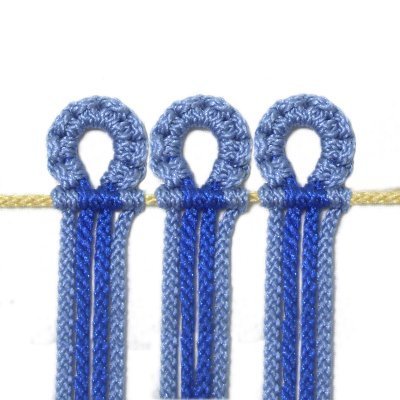
Picot:
This important Macrame term is used often. It is a loop
of cord that stands out from the finished edge. In the image,
there are 3 picots at each edge of the knot. To learn how
to tie these interesting designs, see Picot Designs. |
|
| |
| |
 |
|
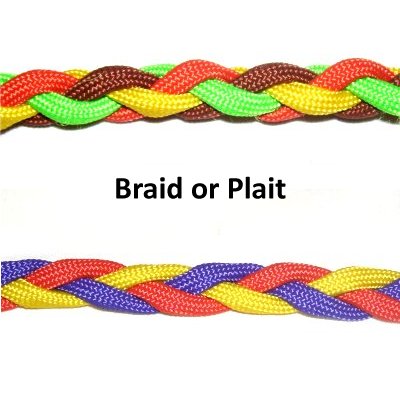
Plait: Overlapping
3 or 4 cords in an alternating pattern will form a plait,
also called a braid. Designs like these are
easy to tie, and are actually a type of weaving. See Interlaced
Plaits for more details. |
|
| |
| |
 |
|
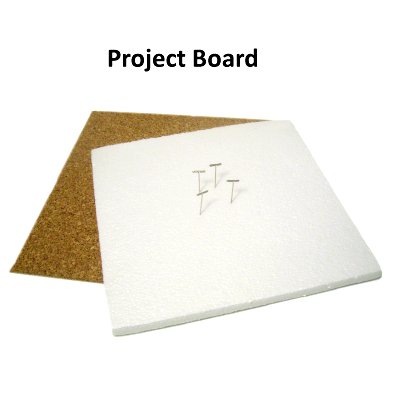
Project Board: An item used in both Macrame and Jewelry Making that is made from cork or other material. Cords can be secured to projects boards with pins, to help control them. See Macrame Essentials for more information. |
|
| |
 |
| |
R
|
| |
| |
 |
|
Rattail: A
type of cord material that is made of Satin Rayon fiber. It
has a great sheen and is one of the best types of Macrame
cord available. This Figure
Eight Bracelet was made using this type of cord. |
|
| |
| |
 |
|
Rough: Refers to how the cord material feels to the touch. Leather is a very smooth type of cord, while Jute can be quite rough. To make Jewelry, for example, you would not want to use cord that is rough against the skin. See Macrame Cord for more information. |
|
| |
| |
 |
|
Reduce: Many items change sizes while they're being made, like this Collar Choker. To create patterns like this, first you increase the width by adding cords, then reduce the size by omitting strands. |
|
| |
 |
| Click on the banner to go to my new online store, to purchase Macrame supplies. |
| |
|
| |
 |
| |
S
|
| |
| |
 |
|
Scallop: This
important Macrame term refers to a distinct loop of knots,
created along the edges of crafted items,
similar to a picot. Scallops were widely
used in Macrame projects made in the early 1900's, so they
are considered a Vintage technique. See Vintage
Shawl, and Buttonhole
Scallops for more information. |
|
| |
| |
 |
|
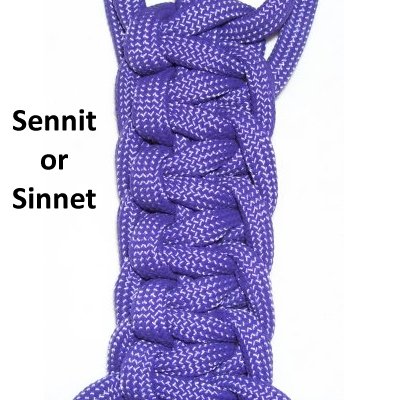
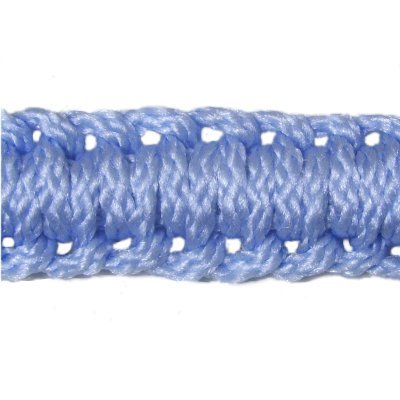
Sennit: This
term means to make a chain of knots, one right after the next. They can be tied vertically, as in the image, as well
as horizontally or diagonally. In Learn
Macrame, you will find several type of decorative
knots that can be used to form sennits. This very important
Macrame term is vital for you to recognize and understand, since it is used often in patterns. |
|
| |
| |
 |
|
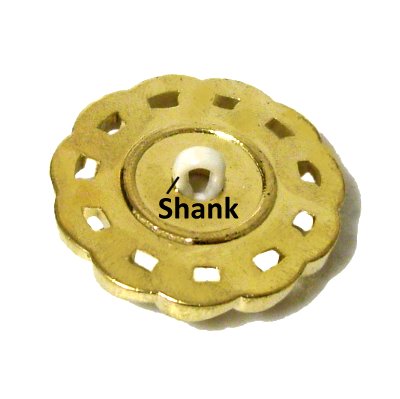
Shank Button:
A type of button with a hole running through a tab in the
back. Buttons are ideal for Macrame projects. They
can be used as clasps, as well as decorations. Many Novelty
Buttons have shanks, which is why they are among
my favorite items to use for Macrame. See Macrame
Beads for more information. |
|
| |
| |
 |
|
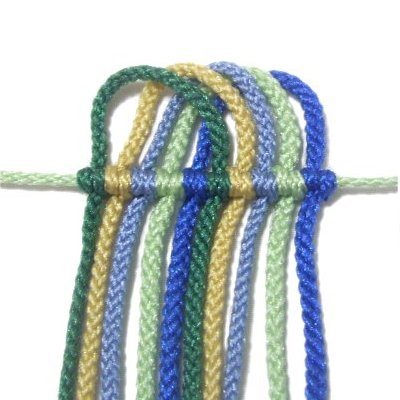
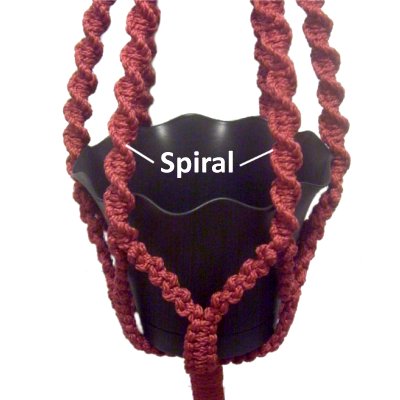
Spiral: This
important Macrame term is used to describe a chain of knots
that will form a decorative twist as they
are tied. The Spiral
Stitch shown in the image is very commonly used
in Macrame. See also the Half
Hitch Spiral, another good example. See also Spiral Design, a related technique. |
|
| |
| |
 |
|
Square Knot (SK):
The most common decorative knot used in Macramé.
If you don't know how to tie one with filler cords running
through the center, go to Square
Knot to learn how.
|
|
| |
| |
 |
|
Stiffness:
The degree the cord material you are using will stretch or
bend. These Celtic
Triangle Earrings were made with Leather, which
is a very stiff material, compared to cotton, for example,
whis is very flexible. See Macrame
Cord for more information. |
|
| |
| |
 |
|
Stitch: This old, but important Macrame term describes specific
types of patterns that are created by knots. This term is seldom used in modern
patterns. The image shows the Waved Basket
Stitch, which is the Vintage name for a specific pattern created by the Alternating
Half Hitch. |
|
| |
| |
 |
|
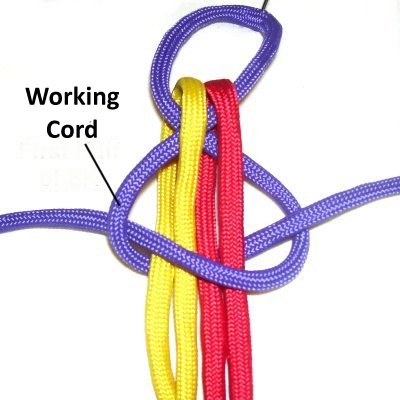
Strand: This
term means the same as Cord, but is sometimes used when a
specific cord or knot is being described.
For example, in the image, the purple strand
is weaving through the other cords to start
the Interlaced
Plait. You will see this term used frequently
throughout this site. |
|
| |
| |
 |
|
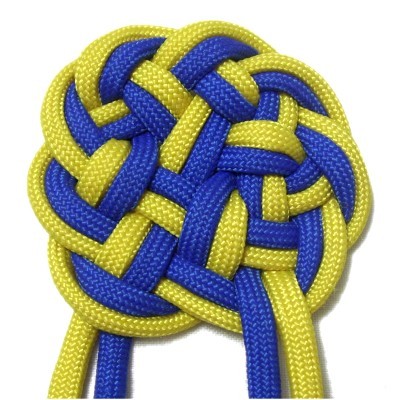
Symbolic: Many Chinese and Celtic Knots are derived from symbols used by artists to represent specific concepts and ideas. This Celtic Circle Knot, for example, is designed with linked circles and is symbolic of the concept "eternal life". |
|
| |
| |
 |
|
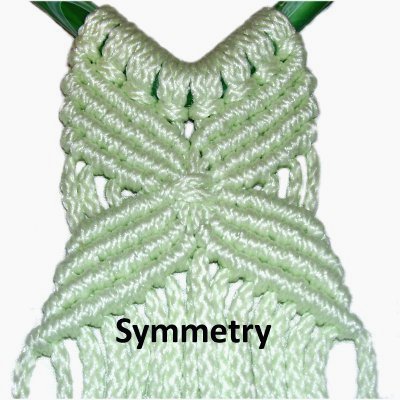
Symmetrical:
This important Macrame term refers to the process of tying knots in a specific pattern so the design is balanced.
This Teardrop Purse has the same pattern on the front and back. The knots on the right and left of the center are symmetrical as well. |
|
| |
| |
 |
|
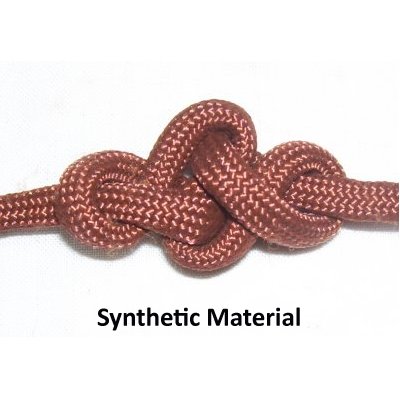
Synthetic: This term refers to man-made substances, so is the opposite of "natural". Nylon, a popular type of cord material, is synthetic. Rayon, also called Rattail, is another synthetic material available for Macrame. See Macrame Cord for more information. |
|
| |
 |
| |
T
|
| |
| |
 |
|
Tail: This
important Macrame term is used often. It refers to the unknotted
end of a cord, which is usually secured to a work surface
in some manner. In this image for the Butterfly
Bookmark, the tails are not being used at this
point, and have no knots in them. |
|
| |
| |
 |
|
Tassel: A
decoration consisting of a group of threads bound together
with a knot, with the strands hanging loosely below. The knot
at the top is called the head. See Creating
Tassels for more details. |
|
| |
| |
 |
|
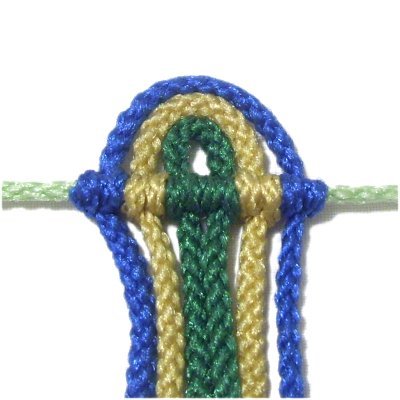
Taut: Sometimes holding cords need to be pulled and secured so they are tight. In the image, the 2 strands in the center are pulled taut. The other 2 strands will be used to tie the knots onto those cords. See also Tension, below. |
|
| |
| |
 |
|
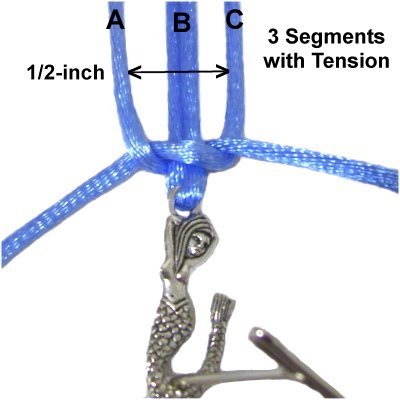
Tension: The
tightness of the cords as the knot is being made. This important Macrame term is often used to describe holding
cords when securing them to a work surface. In the image, the strand
indicated has a lot of tension compared to the others. See Double
Half Hitch Patterns for examples. |
|
| |
| |
 |
|
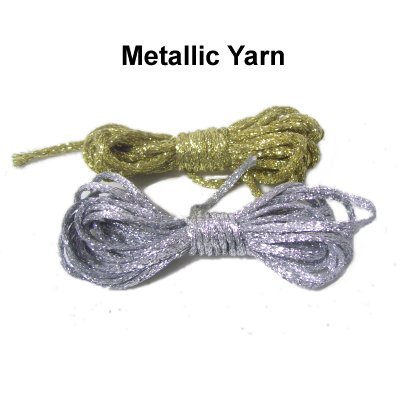
Texture: A
description of what the cord material feels
like. In the image, this Yarn is very soft
to the touch. Metallic cord, Jute, and Hemp,
on the other hand, are usually somewhat coarse. See Macrame
Cord for more details. |
|
| |
| |
 |
|
Tightening:
Pulling the knotted cords in a specific way to move the coils
closer together. This is the most important step in many types
of knots. In the image, this Flat
Chinese Button knot has not yet been tightened.
Once it is, it will form a firm, round knot. |
|
| |
| |
 |
|
Triquetra:
A Celtic art symbol made up of triple loops. This design symbolizes
Body, Mind, and Spirit, the Triple Goddess, the Trinity, and
Earth, Sea and Sky. This common symbol can be made with cord
to form the Celtic
Triangle Knot. |
|
| |
 |
| |
U
|
| |
| |
 |
|
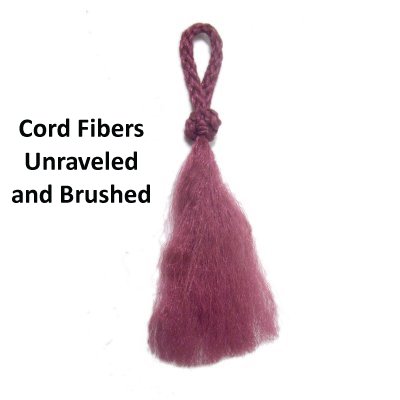
Unravel: To
remove the braiding or twisting from a cord to separate the
individual strands. In this Angel
Door Decoration, the cords for the skirt as well
as the hair have been unraveled and brushed. This Macrame
technique was very popular in the 1970's. |
|
| |
 |
| |
V
|
| |
| |
 |
|
Vertical:
A cord, chain, or knot that runs up and down. It's important
that you know the difference between the terms horizontal,
diagonal, and vertical, since they are used often. This
chain of Alternating
Half Hitches is one example, another is the
Vertical Larks Head. |
|
| |
| |
 |
|
Vintage: A
pattern, knot, or technique popular in the early 1900’s
or prior. Certain designs, like this Vintage
Collar Trim, were heavily used in Macrame projects
of the past, but are seldom seen today. |
|
| |
| |
 |
|
V Pattern: Tying a series of knots in which the cords used are different in each row, can result in a design that looks like a V. See Alternating V Patterns for some great examples of this important technique. |
|
| |
 |
| |
W
|
| |
| |
 |
|
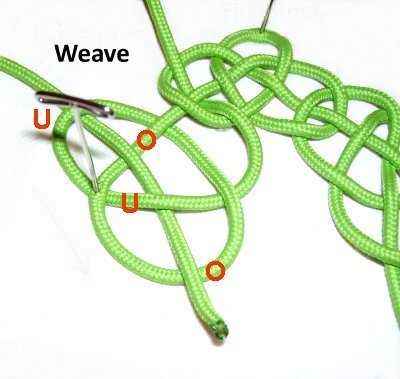
Weave: Combining
vertical and horizontal strands to create a pattern. The image
shows the details of the Interlocking
Weave design. |
|
| |
| |
 |
|
Working Cords:
Another important Macrame term to know, these are the specific
cords used to TIE the knots. Also referred
to as knotting cords in some patterns. In
the image showing a Square
Knot, the purple strands are fillers, and the
blue ones are the working cords. |
|
| |
 |
| |
| Are you finished
reviewing all of the important Macrame terms in this section?
If not, click on the links below to look at the other pages. |
| |
|
| |
|
| |
|
| |