|
|
| |
|
|
Description:
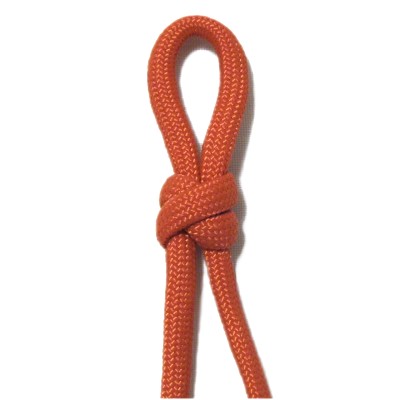
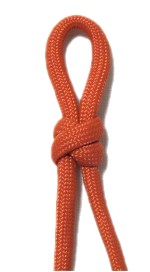
The Double Connection Knot is used in
combination with other Chinese Macrame
knots. It's actually a linked
Overhand knot made with one cord.
The primary purpose for this decorative
knot is to make a stable loop
for items that are hung from the ceiling
or wall, such as a wreath or plant hanger.
Another common use for this knot is to
secure the hooks in earrings, or for
jewelry clasps.
|
|
|
| |
|
|
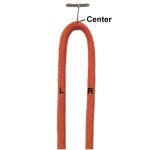
Step
1: To practice, you need
one cord at least 18 inches long.
Fold it in half and place it on your board
vertically. Secure it at the center.
Mentally label the two halves left and
right. |
|
| |
|
|
|
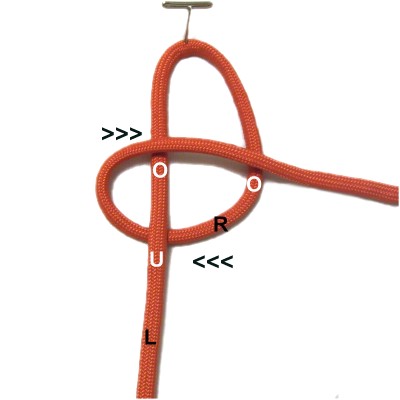
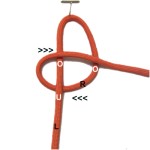
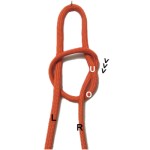
Step
2: Move the right
half to the left, passing it under
the left half of the cord.
Bring it closer to the fold, then move it
right, passing over
both halves of the cord.
|
|
| |
| |
| |
|
|
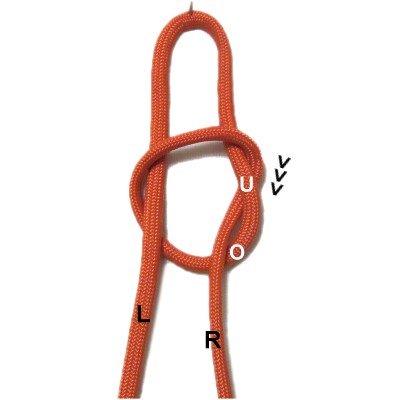
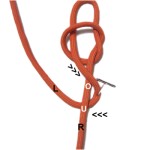
Step
3: To complete the first
Overhand knot, move the right
half of the cord forward, passing
it through the loop under
- over.
Do not tighten the knot, but you can move
it closer to the center so the folded
portion is not as large.
|
|
| |
| |
|
|
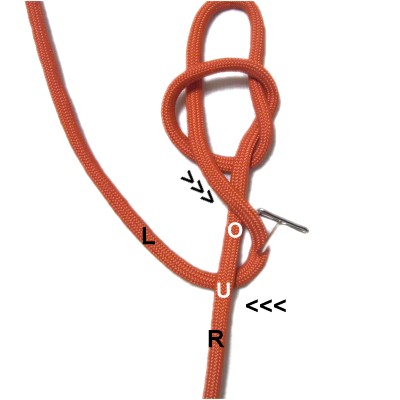
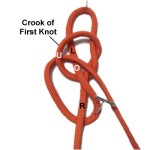
Step
4: Now it's time to make
the second Overhand knot, which is
connected to the first.
Move the left
half of the cord to the right,
passing it over
the right half. Then bring it back
to the left, passing it under
the right half. Secure the cord
where it bends.
|
|
| |
|
| |
|
|
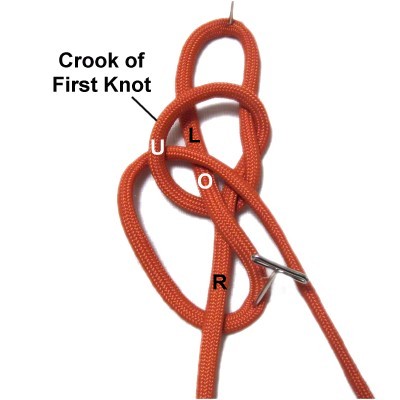
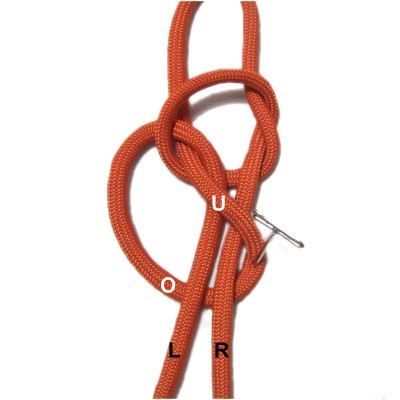
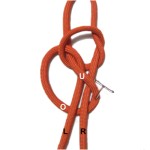
Step
5: Move the left
half of the cord under
the crook
of the first OH knot, heading left to
right.
As you continue right, pass it over
the left half of the cord while inside the
first knot.
|
|
| |
|
| |
|
|
Step
6: Pass the left
half of the cord through the
loop under
- over to complete the second
Overhand knot.
Make sure this takes place to the left
of the other half.
|
|
| |
|
| |
|
|
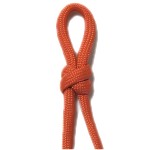
Step
7: Tighten the Double Connection
knot by first reducing the size of the
loop at the top to 1/2 of what you need
for your project.
Hold the loop in one hand and both ends in
the other hand. Pull with equal
force, and you should be able to see the
crossed design. Make
adjustments to the loop as needed. |
|
|
|
|
|
|
|
| By using any
text or images on Free Macrame Patterns, you are
agreeing to our Terms of Use |
|
|
|
| Have
any comments about the Double Connection Knot? Contact
Me. |
|
|
|

|
|
|
|